



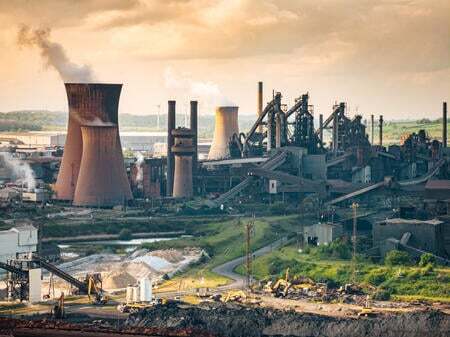
The government's forthcoming Steel Strategy must position the UK steel sector for global competitiveness through environmental leadership, writes Climate Group's Andrew Forth.
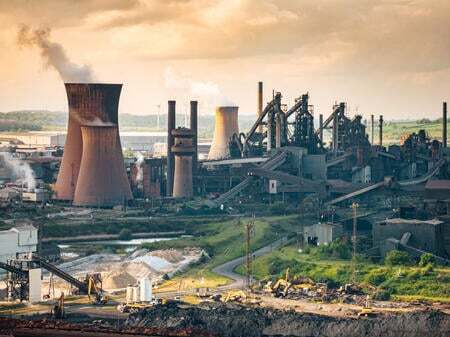
By protecting the short-term future of British Steel’s site in Scunthorpe, the UK Government has given itself a direct stake in the country’s industrial future. Thousands of jobs and the UK’s status as a producer of primary steel have been saved. But this is only the start – more urgent action is needed.
As the Government decides what to do next, they must recognise that business as usual isn’t going to cut it. It will only make protecting steelmaking and manufacturing jobs an increasing challenge in the longer term.
The way forward lies in driving the industry’s green transition – and that starts with clarity. The UK Government now has an opportunity to define the long-term future for the industry through its Steel Strategy. Meanwhile, businesses across the country also have a stake in their steel sector’s future. They’re demanding green steel today but can’t plan or operate based on uncertainty. The Government has the power to change this.
The global steel market is changing
There’s no getting around the fact that steelmakers face enormous challenges. Key steel markets are ramping up momentum to transition toward greener manufacturing processes, a trend being driven by factors which governments around the world are struggling to adapt to.
First and foremost, many steelmaking sites in Europe and North America are approaching the end of their operational lives. Scunthorpe’s blast furnaces have been heavily updated, but the basic infrastructure even dates back to the 1950s. Against steelmakers in Europe and Asia with more modern equipment, Scunthorpe’s ability to compete is becoming ever more challenging.
Second, steel recycling has transformed the economics of the steel industry, particularly in sectors such as construction, infrastructure and rail making, where Scunthorpe currently competes. Finally, steelmakers operate in a global market where oversupply has driven steel prices down significantly.
Green opportunities ahead – with urgent action
The good news is that there’s a route to a sustainable future for the UK’s steel industry. Businesses in the UK are increasingly demanding green steel today - not as a future goal, but as a present need. Steel-using businesses like our SteelZero members, including Ørsted, Severfield, and Buro Happold recognise the role they can play in driving the global steel industry towards a low emission future.
They also see the clear competitive and decarbonisation benefits that green steel products will bring them, as sustainability reporting requirements and client demand for sustainable steel solutions grow.
But the Government needs to act fast. Uncertainty around the plans and timelines for Scunthorpe and the wider sector had been a major source of concern for steel buyers in lead-up to the dramatic events of April 2025. Continued ambiguity risks driving customers to international suppliers who claim they can provide the greener materials they increasingly require.
The Steel Strategy needs to resolve this. We urgently need a detailed roadmap with concrete policy frameworks and practical timelines for decarbonisation. It must provide steel customers with the clarity they need to make informed long-term decisions about their supply chains and sustainability goals.
The voices of steel users have to be central to the discussion. SteelZero and its member organisations - representing significant steel demand across multiple sectors - can provide essential insights on green steel requirements and support policy development that ensures the UK steel industry can meet these evolving needs.
Building the green UK steel industry that works for customers
The strategic imperative goes far beyond short-term crisis management to positioning the UK steel sector for global competitiveness through environmental leadership. Without embracing the green transition, the British steel sector risks being left behind in one of the most significant industrial transformations of our generation. This includes developing capacity to meet rising domestic demand for a diverse range of lower emission steel products, particularly for strategic industries like car making and offshore wind development.
To build a competitive green steel industry, the UK Government must take several key steps. It should significantly invest in low emission steelmaking technologies; support market development through explicit public procurement rules favouring lower emission steel; and create private sector lead markets for green steel products.
It also should adopt transparent green steel standards that are aligned with frameworks like SteelZero, and promote data transparency with robust emissions reporting that empower steel buyers to make informed choices. And any viable strategy must also directly address the persistent challenge of eye-watering electricity costs, which remains a significant barrier for both the steel industry and its customers.
The path forward requires bold action and meaningful collaboration between government, industry, and steel users. With proper engagement and strategic investment, the UK steel sector can change the narrative and transform current challenges into an opportunity for industrial renewal - one that secures both economic prosperity and environmental leadership for generations to come.