



They contribute to around 22 percent of China’s GDP, they’ve been long standing testing grounds for cutting edge innovations and policies, and they attract foreign investment.
And now, partly driven by the RE tripling target agreed at COP28, Europe’s plans around the Carbon Border Adjustment Mechanism, and battery regulations by major economies, China’s Industrial Development Zones (IDZs) are speeding up to become low or no-carbon. That could have huge implications for Asian and global supply chains.
China’s IDZ have been on the road to low carbon for years. But it was last December that the Chinese Government made a critical announcement in its green transition agenda, at the Central Economic Work Conference. It called for "coordinated efforts in carbon reduction, pollution control, ecological conservation, and green growth to accelerate comprehensive green transformation of economic and social development."
Where others may be slowing down, China is speeding up.
Stroke of a pen
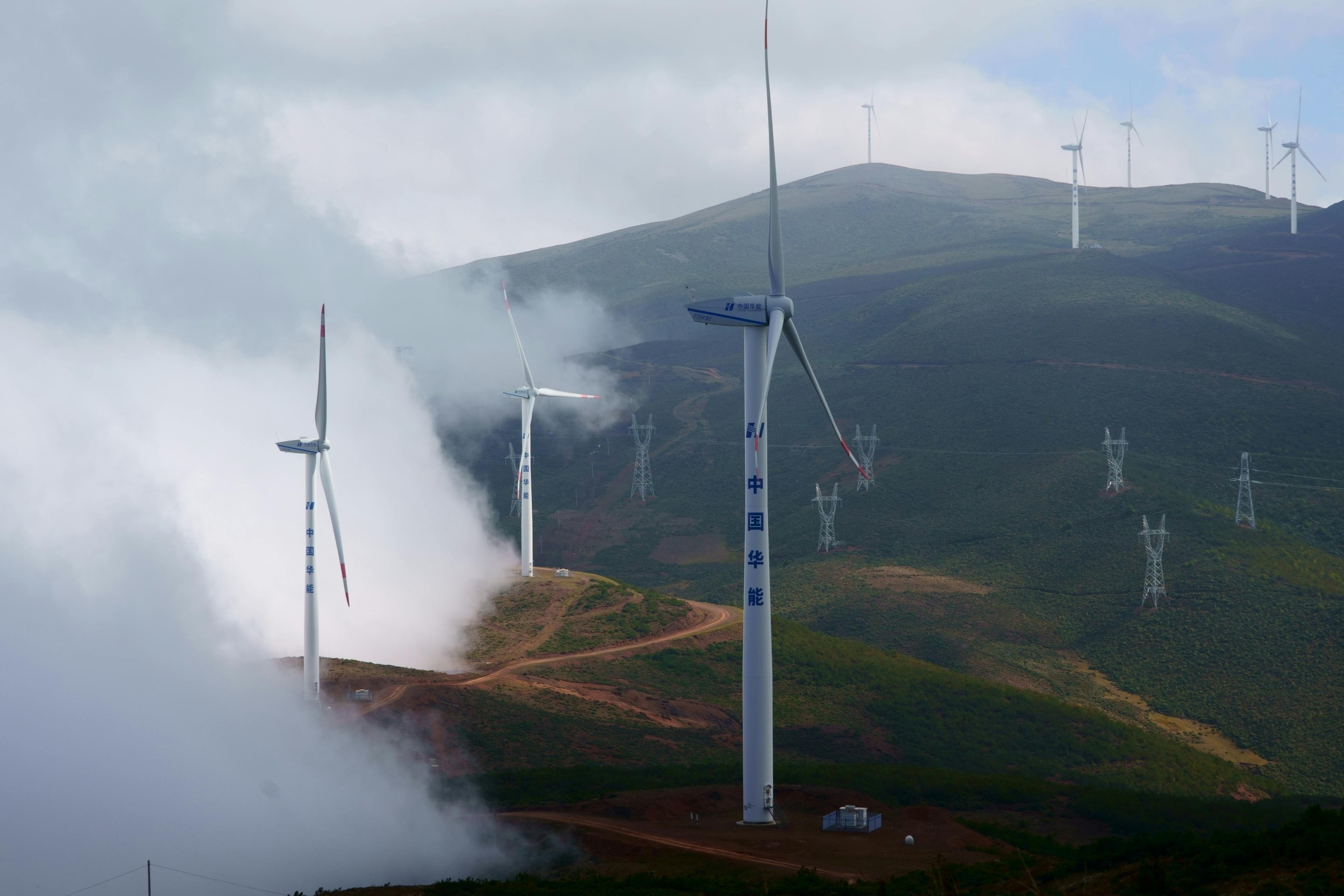
Notably, the conference called for establishing "a batch of zero-carbon industrial zones," meaning that it aims to roll out wind, solar, hydro, and energy storage systems at an incredibly large scale across designated industrial areas. With the stroke of a pen, China elevated its no-carbon IDZs to a national strategic priority.
And in March this year, China’s National Energy Administration emphasized that it would seek to enhance technical exchanges with international organizations, specifically highlighting the positive impact of in-depth collaboration with Climate Group’s RE100.
The announcement around IDZs builds on China’s long term energy strategy. China is aiming to reach peak emissions by 2030 but could very well be ahead of target, in large part because of its renewables strategy. Last year, Asia was central to global renewable growth, with China alone accounting for 64 percent of new capacity worldwide.
Initially, China heavily subsidised its renewable energy roll out but several years ago, when costs became competitive, it removed the subsidies. The fact that renewables are still being ramped up is a clear sign that it’s a competitive form of energy. So much so, that China may face potential challenges of curtailment down the line, as a steel decarbonisation wave in China across the supply chain could significantly increase the demand for renewable electricity.
Supply chains
Meanwhile, the announcement around IDZs has large implications. Domestically, as China hopes to attract investment, boost innovation, and drive competitiveness – and it will help Chinese businesses to meet international regulations. But as one of the leading producers of goods, no-carbon IDZs will drive down scope 3 emissions in supply chains across the world. Multinationals and other large companies with a global footprint, are taking note.
To dive deep into these implications and to discuss how IDZ’s can become catalysts for cleaner, more sustainable supply chains across Asia, and arguably the globe, the Climate Group Asia Action Summit will devote a session to this with industry leaders, key policy makers and corporate stakeholders.
The Climate Group Asia Action Summit will be held on 8 May in Singapore. See here for more information.