



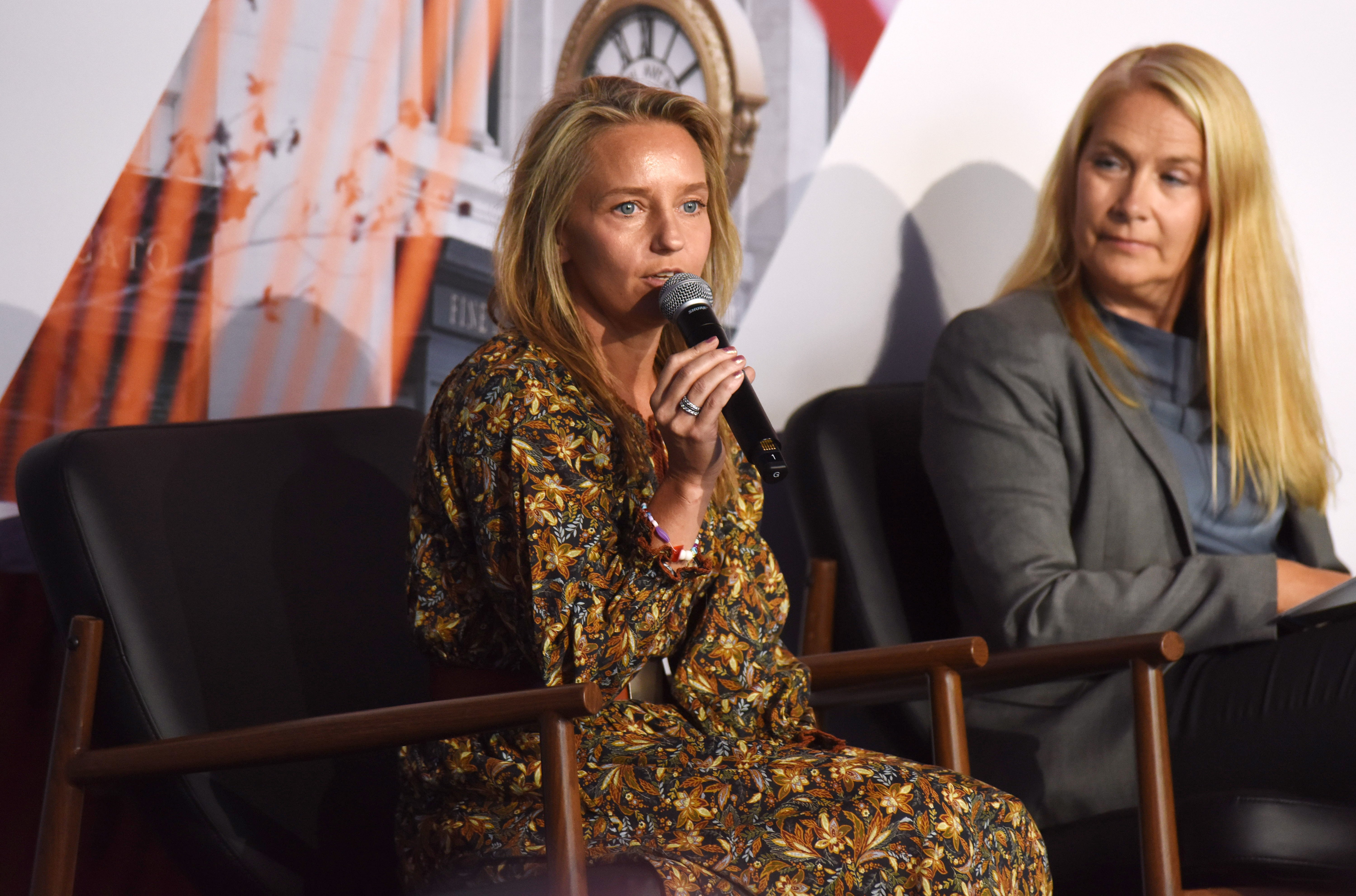
In the second in our series of articles following this year’s Climate Week NYC, our Head of Industry Jen Carson talks about the lessons learnt in driving value chain collaboration and risk sharing to effectively and fairly drive the heavy industry transition.
Last week, we reflected on the leadership the public sector must show to speed up the heavy industry transition. This week I look at the critical importance of collaboration and risk-sharing across the value chain.
Collaborating to accumulate momentum
This year’s Climate Week NYC confirmed that the topic of heavy industry decarbonisation of heavy industry no longer sits on the side lines, but is at the heart of the transition, with the focus shifting to implementation. We spotlighted frontrunners from policy and business who shared hard-won lessons and benefits. But it’s now time for the focus to turn to scale. To bring everyone on board to a new business-as-usual, we need to remove barriers and cut perceived risks that are holding others back.
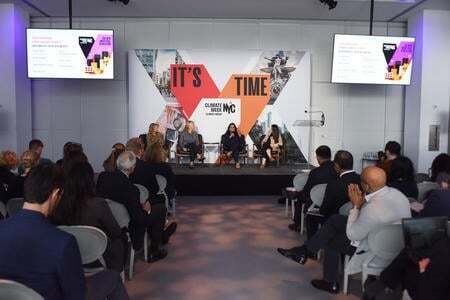
And for that, we need to collaborate. As Abanti Sankaranarayanan from Mahindra Group put it in our Low emission steel supply chains session at The Hub Live, it’s all about ensuring there’s an ‘ecosystem-wide sharing of risk’ that is ‘equitably distributed.’
Sharing the risks and rewards
Steel and concrete supply and value chains are complex. We’ll need everyone in the chain on board and working together. At this year’s Climate Week NYC, we saw the results such collaboration is yielding. In our low emission steel supply chains panel, Annika Ölme, Chief Technology Officer at SteelZero member SKF, highlighted their collaboration with supplier Voestalpine to produce the world’s first prototype bearing made from low emission, direct reduced iron earlier this year.
That milestone started with a firm commitment to net zero steel through SteelZero, and putting that commitment into practice. SKF asked their supplier for low emission steel, sparking a conversation about what progress they could achieve together. Their journey is proof that businesses need to work with their suppliers to share not only the risks, but also the rewards of the transition.
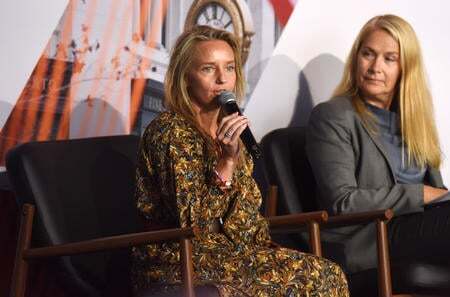
And then there’s the supply side. Maria Persson-Gulda of Stegra (formerly H2 Green Steel) mentioned how seeing clear commitments to green steel from businesses helps share the financial and risk burden of the transition with steelmakers, showing them there’s profits to be made in a low carbon future.
Making credible and transparent commitments is only the start: they clearly signal demand, giving suppliers the confidence they need to invest in overhauling their production facilities.
This is precisely what we’re doing through our SteelZero and ConcreteZero initiatives. By collaborating with others, businesses join a collective journey. They’re able to scale demand and create a market for cleaner materials, as well as share learnings and work through challenges together. No business should face the transition alone.
Creating a climate of certainty
It’s not just on businesses. Public sector bodies have a vital role to play in creating a climate of certainty for the net zero transition of critical materials like steel and concrete. Through strategic public procurement they can join corporates in driving demand and leading by example, giving others the confidence to adopt new, net zero-aligned practices.
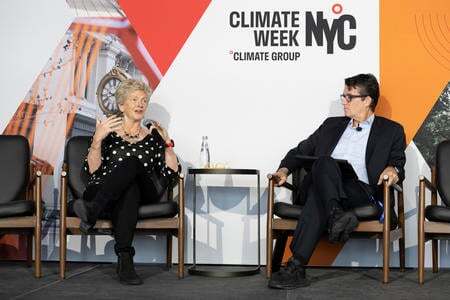
Administrator Carnahan of the General Services Administration (GSA) shared how they’re using their influence as the largest purchaser of goods and services in the US to set standards and drive innovations.
Conclusion
By bringing leaders together, we inspire others by showcasing progress and collaboration. They’re the hard proof of what we can achieve together. But It’s Time for others to step up. Through mutual understanding and impactful partnerships, we can boost confidence and reduce risk. All parts of the value chain need to play their part in driving the heavy industry transition at scale. Let’s work through the challenges together to unlock the rewards from the transition we all need to see.