



COP30 Action Agenda: A clearer path for climate implementation through subnational governments
As hosts of the upcoming annual climate summit COP30, the COP30 Brazilian Presidency has released its fourth letter and with it, a major milestone: the launch of a new Global Climate Action Agenda. While the Action Agenda itself isn’t a new concept, this particular version aims to fast-track real-world implementation, with real economy actors such as subnational and local governments, in the decisive five years ahead.
For the Under2 Coalition – the world’s largest network of states, regions and provinces driving climate action – this is a welcome bold step forward. The Agenda provides a clear and structured approach for non-Party stakeholders i.e. states, regions, cities and businesses – to contribute meaningfully to worldwide efforts such as the Global Stocktake.
The Action Agenda prioritises five key axes – energy, biodiversity, agriculture, resilience, social development – with a cross-cutting theme on finance, technology and capacity building, which enables multilevel level action. This marks a turning point for climate delivery to respond to real-world socio-economic and nature challenges.
States, regions and provinces – who are already leading on progress to integrate climate goals across nature conservation, resilience, energy, urbanisation, industrialisation and innovative finance, are poised to align with this vision laid out by the letter.
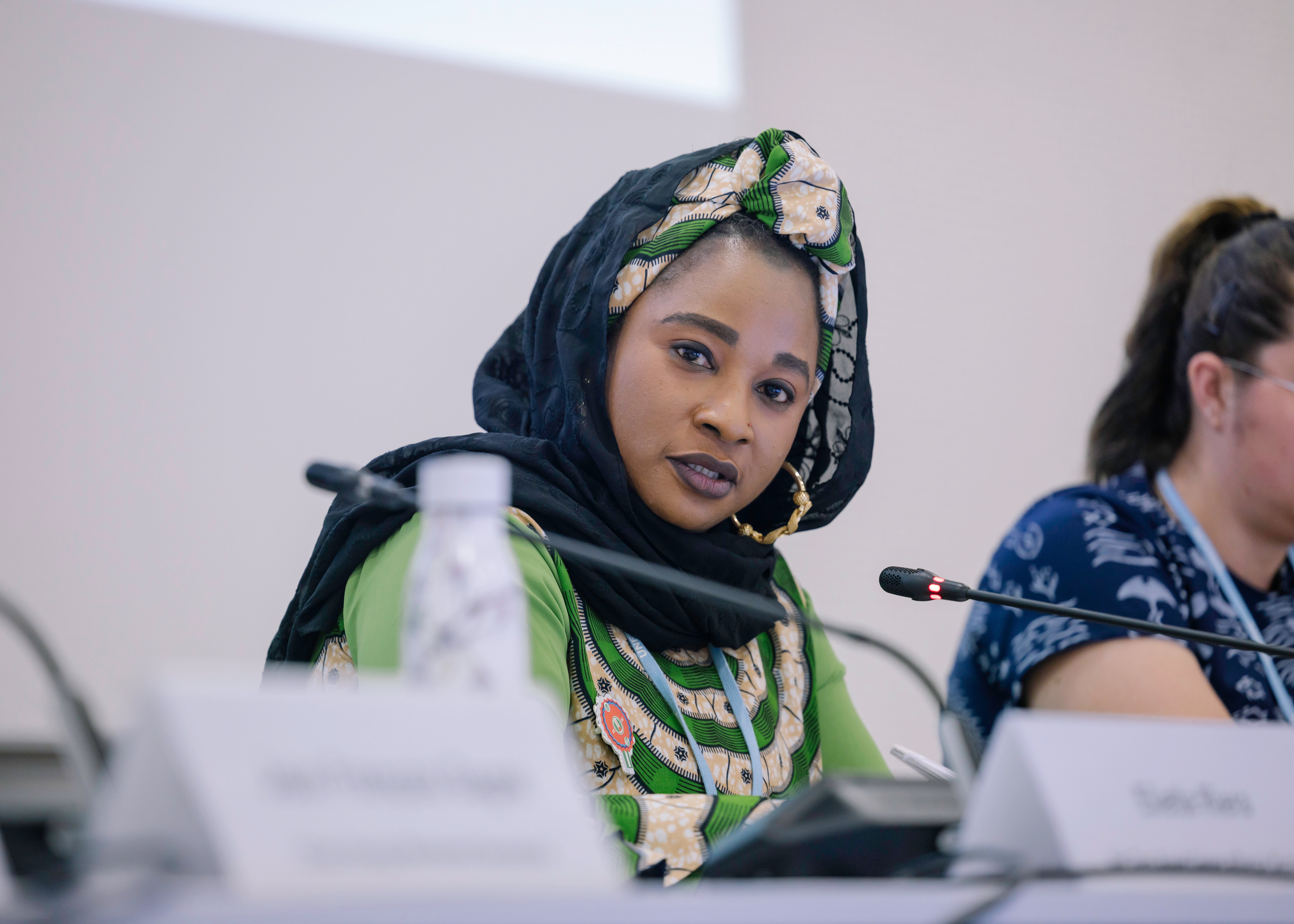
Speaking at a high-level forum Towards Implementation: A Call to Deliver Action at COP30, hosted by the COP30 Presidency as part of the June climate meetings in Bonn, Commissioner of Environment, Aishat Barde from Taraba State in Nigeria, welcomed the framework on behalf of the Under2 Coalition.
“National governments alone cannot deliver NDC obligations,” she said. “This Action Agenda can help translate national ambition into local implementation—and allow subnational contributions to the ‘globally determined contribution’ to be tracked transparently.”
Taraba State is already aligning its work with the Action Agenda and charting a transformative path. It has launched its first draft of a Subnational Transition Plan—the Taraba State Climate Change Policy and Action Plan—with targets including 90% renewable energy by 2060, 10,000 hectares of land restoration by 2030, and a 30% emissions reduction in transport by 2030. The plan promotes climate-smart agriculture and sustainable livestock practices. The State has already hosted three vertically integrated workshops with Nigeria’s National Council on Climate Change, and allocated 5% of its state budget to the Re-Greening Taraba Initiative.
But barriers remain—especially the lack of direct access to international climate finance. Commissioner Barde urged the international community to ensure the Action Agenda delivers in three critical ways:
- Create space to learn from and scale global south solutions
- Provide direct technical and capacity support to subnational actors
- Facilitate direct, grant-based climate finance access for subnational governments
“We need direct access to grant-based climate finance at the State level, where significant juridical powers sit. We need it now. Let us implement our plans.”
As COP30 approaches, the challenge is clear—and so is the opportunity. The Action Agenda must not only be fit for COP30 but fit for the future.
- Fourth COP30 Presidency letter
- High-level event telecast: Towards Implementation: A Call to Deliver Action at COP30
Photography: Marie Jacquemin